Understanding the Role of Pneumatic Control Valves in Modern Engineering
The Basics of Pneumatic Control Valves
What are Pneumatic Control Valves?
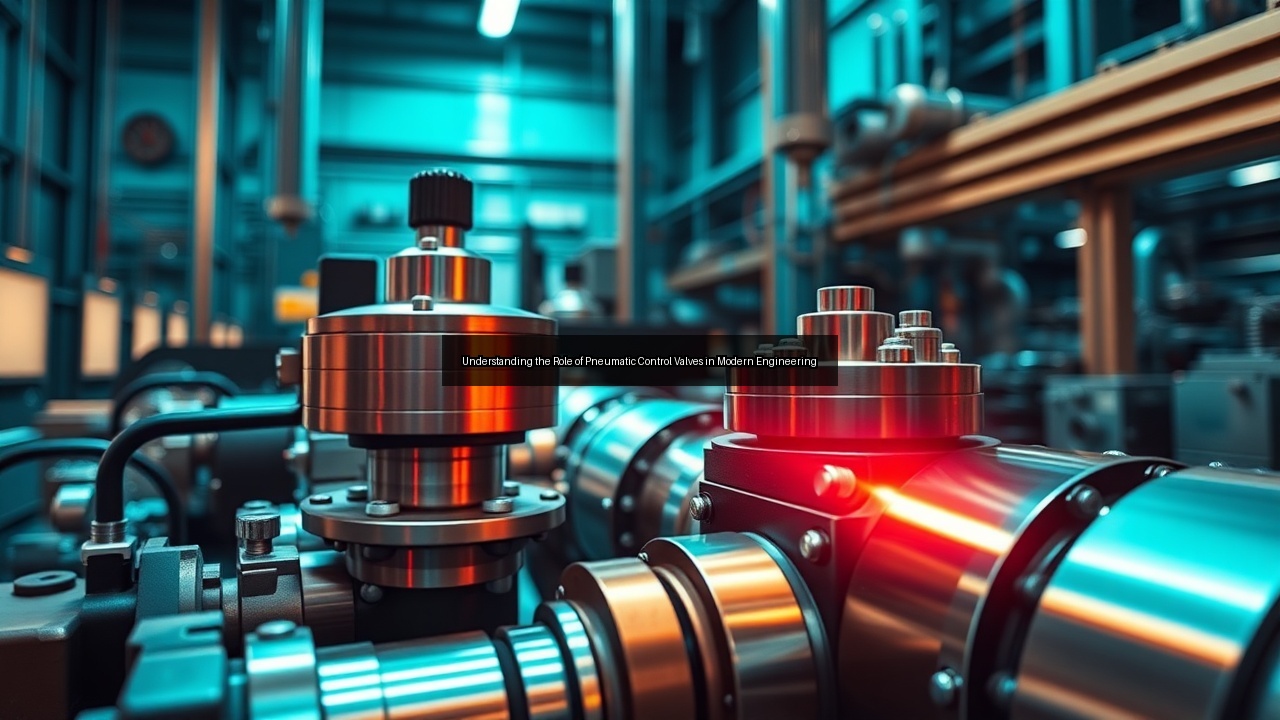
Pneumatic control valves serve as critical components in various pneumatic systems, regulating airflow and pressure to ensure efficient operation. These valves control the flow of compressed air, allowing for precise management of machinery and equipment in industrial settings. By adjusting the airflow, pneumatic control valves enable operators to control the speed and movement of actuators in machinery. This capability proves essential in applications ranging from assembly lines to robotic automation. Manufacturers design these valves to withstand high pressures and varying temperatures, ensuring longevity and reliability under demanding conditions.
Key Components of Pneumatic Systems
A pneumatic system comprises several key components that work in harmony to achieve desired outcomes. At the heart of these systems lies the pneumatic actuator, which converts compressed air into mechanical motion. Complementing this essential part are pneumatic control valves, air compressors, and pressure regulators. The air compressor supplies the necessary compressed air, while pressure regulators maintain optimal pressure levels throughout the system. Additionally, hoses and fittings connect all components, allowing for seamless air flow. Understanding these components and their interactions is crucial for effective pneumatic system management.
Understanding the Role of Pressure in Pneumatic Valves
Pressure plays a fundamental role in the operation of pneumatic control valves. These valves rely on differential pressure to function correctly, allowing them to open or close based on the air pressure applied. When the pressure exceeds a predetermined threshold, the valve actuates, enabling or restricting the airflow. This responsiveness to pressure changes allows for rapid adjustments, making pneumatic systems highly efficient. Moreover, proper management of pressure ensures safety and prevents equipment failures. Engineers must calculate the appropriate pressure settings to avoid issues such as leaks or valve malfunction, underscoring the importance of pressure in machining pneumatic valves pneumatic valve design.
The Manufacturing Process of Pneumatic Valves
Overview of Pneumatic Valve Manufacturing
The manufacturing process of pneumatic valves involves several intricate stages, ensuring that each valve meets stringent quality and performance standards. Manufacturers begin with selecting high-quality materials, typically metals like aluminum or stainless steel, that can withstand high-pressure environments. After material selection, the machining process begins. This involves cutting, shaping, and finishing the valve components to exact specifications. Advanced technologies such as CNC (Computer Numerical Control) machining enhance precision, ensuring consistent quality across production runs. Once the components are machined, they undergo assembly, where skilled technicians carefully fit each part together, preparing the valve for rigorous testing before final delivery.
Machining Techniques for Pneumatic Valve Parts
Machining pneumatic valve parts requires precision and expertise. Manufacturers utilize various machining techniques, including turning, milling, and grinding, to create complex shapes and features on valve components. CNC machining stands out due to its ability to produce intricate designs with minimal human intervention. This technology allows for high repeatability and accuracy, essential for meeting industry standards. Additionally, manufacturers often employ specialized tools, such as reamers and broaches, to achieve tight tolerances and smooth finishes. The choice of machining technique depends on the specific design requirements of the pneumatic valve, emphasizing the importance of skilled labor and advanced equipment in achieving optimal results.
Quality Control in Pneumatic Valve Production
Quality control remains a top priority in pneumatic valve production. Manufacturers implement rigorous testing protocols at various stages of the manufacturing process to ensure each valve meets performance specifications. This includes pressure testing, where valves are subjected to high-pressure environments to assess their integrity and reliability. Visual inspections also play a critical role, with experts examining components for defects or inconsistencies. Manufacturers often utilize advanced pneumatic valve manufacturing and machining technologies, such as 3D scanning, to detect minute errors that could affect performance. By maintaining strict quality control measures, manufacturers can guarantee that their pneumatic valves perform efficiently and safely in real-world applications.
Applications and Advantages in Modern Engineering
Industries Utilizing Pneumatic Control Valves
Pneumatic control valves find applications across a wide range of industries, enhancing operational efficiency and reliability. Manufacturing plants, for instance, rely on these valves for controlling assembly line machinery, enabling precise movements of robotic arms and conveyor systems. In the automotive industry, pneumatic valves play a pivotal role in the operation of paint spray systems, ensuring even application and reducing waste. Additionally, the food and beverage industry utilizes pneumatic systems for packaging and processing, where hygiene and precision are paramount. These diverse applications demonstrate the versatility and importance of pneumatic control valves in modern engineering.
Comparing Pneumatic and Hydraulic Valves
Pneumatic and hydraulic valves serve similar functions in controlling fluid motion, yet they operate using different principles. Pneumatic valves utilize compressed air to transmit energy, making them lightweight and suitable for applications requiring rapid movement. In contrast, hydraulic valves rely on liquid fluid power, offering greater force generation. This distinction leads to differences in performance and application suitability. Pneumatic systems excel in environments requiring speed and precision, while hydraulic systems are often preferred for heavy lifting or high-pressure tasks. Understanding these differences helps engineers select the appropriate valve type for specific applications, optimizing performance and efficiency.
Benefits of Using Pneumatic Systems in Factories
Pneumatic systems offer numerous advantages within factory settings, making them a popular choice. Firstly, their lightweight design results in reduced energy consumption, contributing to lower operational costs. Pneumatic control valves enable rapid actuation, facilitating quick responses in automated processes. The simplicity of pneumatic systems also translates to lower maintenance requirements, further enhancing cost-effectiveness. Additionally, these systems operate safely in explosive environments, as compressed air poses less risk than hydraulic fluids. The versatility of pneumatic systems allows for seamless integration with existing factory equipment, making them an ideal solution for modern manufacturing challenges.
Future Trends in Pneumatic Valve Technology
Innovations in Pneumatic Valve Machining
As technology advances, innovations in pneumatic valve machining continue to shape the industry. Manufacturers are increasingly adopting additive manufacturing techniques, such as 3D printing, to produce complex valve designs that traditional machining cannot achieve. This method allows for rapid prototyping and customization, catering to specific customer needs. Additionally, advancements in material science enable the development of lightweight yet durable materials, improving the overall performance of pneumatic valves. These innovations enhance efficiency and reduce production costs, positioning manufacturers to better compete in a global market.
Sustainability in Valve Manufacturing
Sustainability has become a focal point in pneumatic valve manufacturing, driving companies to adopt eco-friendly practices throughout the production process. Manufacturers are exploring sustainable materials and reducing waste through efficient machining practices. Recycling metal scraps from the machining process not only minimizes environmental impact but also lowers material costs. Furthermore, energy-efficient manufacturing techniques, such as using renewable energy sources, contribute to a smaller carbon footprint. By prioritizing sustainability, pneumatic valve manufacturers can meet regulatory requirements and appeal to environmentally conscious consumers, securing their position in a competitive market.
The Role of Automation in Pneumatic Control Valve Production
Automation revolutionizes pneumatic control valve production, enhancing efficiency and precision. Automated machining processes minimize human error, ensuring consistent quality across production runs. Robotics play a vital role in assembly lines, with machines performing repetitive tasks quickly and accurately. Additionally, automation enables real-time monitoring of production metrics, allowing manufacturers to identify and address inefficiencies promptly. The integration of automation not only accelerates production but also frees up skilled workers to focus on more complex tasks, driving innovation in valve design and functionality. As automation technologies continue to evolve, their impact on pneumatic valve manufacturing will likely expand, setting new standards for efficiency and quality.